
Restaurant Business: Swipe fees cost businesses billions — here's why that might finally change
“Small businesses and restaurants get hit particularly hard,” Doug Kantor, general counsel at the National Association of Convenience Stores (and MPC Executive Committee member), said. “Visa and Mastercard systematically charge small businesses more in swipe fees. Also, the swipe fees get charged as a percentage against the tipped and taxed amount, not pre-tax and tip. That’s a huge penalty to businesses that operate on tips.”
READ MORE +
Tech Times: Walmart Accepts Apple Pay, Routing Shoppers Into Its Fintech Super-App
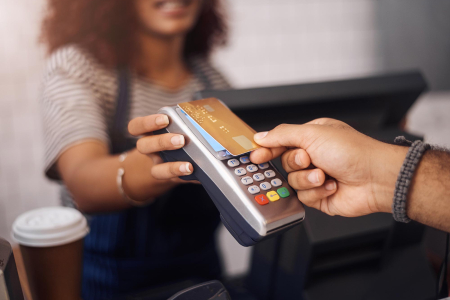
NFC payments route through Visa and Mastercard networks, triggering interchange fees averaging 2.36% on credit card transactions in the US, according to the Merchants Payments Coalition.
READ MORE +
Forbes: Understanding Illinois’ Swipe Fee Law And What It Means For Merchants
In its request to withdraw the NCUA interim rule, the MPC also raised an antitrust concern that I believe deserves more attention than it is getting. The MPC wrote that the rule "appears to authorize conduct that is difficult to reconcile with established federal antitrust principles, departs from longstanding expectations regarding competitive markets, exceeds NCUA's authority under the Federal Credit Union Act (FCUA), and adopts an overly broad interpretation of federal credit union preemption." If a third party can set prices for competitors in one category, I believe the logic could extend to all of them, such as late fees, overdraft fees, annual fees and ATM fees.
READ MORE +
American Prospect: The Credit Card Operative Helping Shape Democratic Primaries
“The claims they [the Small Business Payments Alliance] make are blatantly false … just about any small business is losing far more money in terms of costs to credit cards than they could ever possibly recoup in rewards, unless of course they’re getting these payoffs on the side,” said (MPC Executive Committee member) Doug Kantor, the general counsel for the National Association of Convenience Stores.
READ MORE +
Crypto Briefing: Senators Moreno and Lummis endorse Credit Card Competition Act, taking aim at Visa and Mastercard dominance
Merchant groups were enthusiastic. The Merchants Payments Coalition and the National Association of Convenience Stores both voiced support, framing the bill as a necessary competitive correction in a market that has long tilted in favor of the largest financial institutions.
READ MORE +
Punchbowl News: Can Moreno make credit card reform a threat?
“There is momentum to get the Credit Card Competition Act done this year,” said (MPC Executive Committee member) Doug Kantor, general counsel at the National Association of Convenience Stores.
READ MORE +
CardRates.com: Interchange Fight Grows as Three Senators Back Credit Card Bill
Doug Kantor, Executive Committee Member of the Merchants Payments Coalition and General Counsel for the National Association of Convenience Stores, thanked the three senators in a press release supporting the bill. “Each of these senators deserves credit for standing up to Wall Street megabanks and global card networks,” Kantor added. “Main Street businesses and their everyday customers will benefit. Swipe fees have been driving up the price of just about everything for far too long and we appreciate these senators striking a blow to stop it.”
READ MORE +
NACS Daily: Cash or Credit: Two NACS Priorities Make Progress
“Thank you to Senators Moreno, Lummis and King,” said NACS General Counsel (and MPC Executive Committee member) Doug Kantor. “Each of these senators deserves credit for standing up to Wall Street megabanks and global card networks. Main Street businesses and their everyday customers will benefit. Swipe fees have been driving up the price of just about everything for far too long and we appreciate these senators striking a blow to stop it.”
READ MORE +
Progressive Grocer: Swipe Fee Reform Bill Gains Bipartisan Senate Support
“Each of these senators deserves credit for standing up to Wall Street megabanks and global card networks,” said Doug Kantor, MPC Executive Committee member and National Association of Convenience Stores general counsel. “Swipe fees have been driving up the price of just about everything for far too long and we appreciate these senators striking a blow to stop it.”
READ MORE +
HBS Dealer: NLBMDA Joins Coalition Objection to Proposed Visa-Mastercard Settlement
NLBMDA has joined the Merchants Payments Coalition and other merchant organizations in objecting to the proposed settlement in the longstanding In re Payment Card Interchange Fee and Merchant Discount Antitrust Litigation.
READ MORE +